When Do You Need Tooth-Colored Fillings in Arlington?

A cavity or small crack does not always hurt right away. Sometimes the first sign is sensitivity, food catching in one spot, discomfort when chewing, or a rough area you can feel with your tongue. Other times, the problem is found during a routine dental exam before symptoms begin.
Tooth-colored fillings are commonly used to repair small areas of decay or damage. The composite material is matched to the surrounding enamel, shaped to restore the tooth, and polished so the bite feels comfortable.
Common Reasons You May Need a Filling
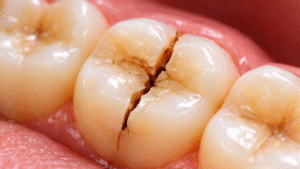
Cavities develop when bacteria produce acids that weaken the enamel. Early decay can be difficult to see, but as it progresses, you may notice sensitivity to cold, heat, or sweets, pain when biting, a dark area, or food repeatedly getting stuck between the same teeth.
When the cavity is still relatively small, the damaged portion can often be removed and sealed with a tooth-colored filling. Treating it early helps prevent bacteria from reaching deeper layers of the tooth.
Fillings may also be used for minor chips, worn edges, and small fractures caused by grinding, biting hard foods, dental trauma, or gradual wear. Even a small crack should be evaluated because chewing pressure can cause it to spread over time.
Older fillings may eventually loosen, crack, or wear down. Gaps can also develop around the edges, allowing bacteria and food debris to collect underneath. Replacing a failing filling can help prevent new decay and protect the remaining tooth.
A lost filling, sudden pain, or sharp broken edge should be evaluated promptly. Same-day appointments through our emergency dentistry services may be available at brush365 for urgent concerns.
What to Expect From a Tooth-Colored Filling
The treatment area is numbed before the decayed or damaged portion of the tooth is removed. The area is then cleaned and prepared for the composite material.
The resin is placed in layers, hardened with a curing light, and shaped to fit the tooth. Once the filling is polished and the bite is checked, most patients can return to their normal routine.
Mild sensitivity can happen after treatment, especially when the cavity was close to the nerve. This often improves as the tooth settles. Contact your dentist if the pain increases, sensitivity continues, or the filling feels too high when you bite.
Fillings can last for years, but their lifespan depends on their size, location, daily chewing pressure, oral hygiene, and habits such as clenching or grinding. Routine preventive dental visits allow your dentist to monitor the restoration and address wear before it becomes a larger problem.
How Your Dentist Decides Whether a Filling Will Work
The right treatment depends on how large the cavity or fracture is, how much healthy tooth structure remains, and whether the nerve inside the tooth has been affected.
Your evaluation may include a clinical exam and digital X-rays. Imaging helps identify decay between teeth or beneath an older restoration that may not be visible during the exam.
A filling may be recommended when the damage is limited and the tooth still has enough healthy structure to support the restoration. Larger areas of decay or breakage may require a dental crown for added strength. Root canal treatment may be necessary when decay or trauma has reached the pulp and caused infection.
At brush365, the findings are reviewed with you before treatment begins. You will have the opportunity to see what the dentist sees, ask questions, and understand which treatment is most appropriate for the tooth.
If you’re in Arlington, you can visit our Arlington dental studio, contact us, or schedule an evaluation. Early care can often keep treatment simpler and help preserve more of your natural tooth.