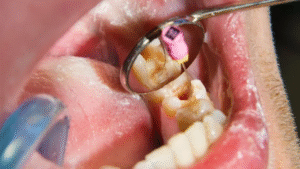
Tooth Extraction in Hurst: When Removing a Tooth Is the Best Choice

Dentistry is centered on preservation. Whenever possible, the goal is to maintain natural tooth structure and restore it to function. Modern dentistry offers many ways to repair teeth that were once considered beyond saving, which is why extraction is usually approached cautiously.
However, there are situations where removing a tooth becomes the most predictable and responsible option. The decision is rarely made lightly; it is typically considered when saving the tooth would not provide long-term stability or would require treatment that exceeds the structural value of what remains.
In these cases, extraction is not about giving up on the tooth. It is about preventing ongoing complications and creating a more stable foundation for long-term oral health.
When Extraction Becomes the Healthier Option
A tooth may require removal for several reasons. The common thread is that the remaining structure or surrounding support is no longer sufficient to maintain it predictably over time.
Situations where extraction is often recommended include:
- Severe decay extending below the gumline
- Advanced periodontal disease with significant bone loss
- Vertical root fractures
- Teeth that cannot be predictably restored after trauma
- Failed root canal treatment where retreatment is not feasible
- Overcrowding requiring orthodontic correction
In some situations, a tooth may technically be treatable but structurally compromised. Multiple procedures may be required to maintain it, and each repair may weaken the remaining tooth further. Over time, this can lead to repeated treatment cycles that become both costly and unstable.
In those circumstances, removing the tooth and planning for a durable replacement may provide a more predictable outcome. The key consideration is the long-term outlook, not just whether the tooth can be repaired temporarily.
What Happens After a Tooth Is Removed
An extraction is rarely the final step in treatment. In many cases, it becomes the starting point for a carefully planned replacement strategy that restores both function and stability.
After removal, options for replacing the tooth may include dental implants, bridges, or partial dentures. In some cases, dentists may also recommend bone grafting after a tooth extraction to help preserve the jawbone and prepare the area for future tooth replacement. You can learn more about the benefits of bone grafting after tooth extractions and when it may be recommended.
Leaving a space untreated can allow neighboring teeth to shift into the area over time. This movement can alter bite alignment, create uneven pressure on surrounding teeth, and increase the likelihood of additional wear or fracture. Planning for replacement early helps maintain proper spacing, bite balance, and long-term jaw stability.
There are situations where replacement may not be necessary. Wisdom teeth and certain back molars with limited function may be removed without affecting the overall bite. The decision depends on tooth position, chewing forces, and the broader treatment plan for the mouth.
When extraction is recommended thoughtfully, it can eliminate infection, relieve discomfort, and prevent further structural breakdown. The priority is not simply removing a tooth, but ensuring that the solution chosen today continues to make sense years from now.
If you have been advised that a tooth may need to be removed, schedule a consultation with brush365 today. We will review imaging, discuss the long-term outlook, and help you determine the most responsible path forward for your oral health.