Severe Tooth Pain at Night: What It Means and When to Call a Dentist in Allen

Tooth pain always feels frustrating, but nighttime tooth pain can feel especially hard to manage. During the day, you may be able to stay distracted or work around the discomfort. Once you lie down, the throbbing can feel stronger, pressure may build, and sleep can feel almost impossible.
A brief moment of sensitivity does not always mean something serious is happening. But pain that wakes you up, lingers, or continues to intensify usually deserves prompt attention.
What Nighttime Tooth Pain May Be Telling You
Tooth pain can feel worse at night for a few reasons. When you lie down, blood flow and pressure around the head can increase, which may make inflammation inside or around a tooth feel more intense. There are also fewer distractions at night, so discomfort that felt manageable earlier may become much harder to ignore.
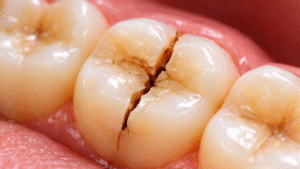
The cause can vary. Severe tooth pain at night may be related to deep decay, a cavity that has reached the inner part of the tooth, an inflamed or infected tooth nerve, a cracked or weakened tooth, a failing filling or crown, gum infection, swelling, grinding or clenching, or sinus pressure that feels like upper tooth pain.
The way the pain behaves can offer clues. A quick zing with something cold may point to sensitivity or exposed dentin. A lingering ache, spontaneous throbbing, pain when biting, swelling, or discomfort that wakes you up may suggest something more involved.
That does not mean you need to diagnose it yourself. Dental pain can be difficult to interpret at home, especially when symptoms overlap. A focused exam helps determine whether the pain is coming from the tooth, gums, bite, jaw joint, sinus area, or another source.
When Tooth Pain Should Be Treated as Urgent
Severe tooth pain should not be ignored, especially when it interrupts sleep or keeps returning. Dental pain often becomes intense when there is inflammation, infection, trauma, or pressure inside the tooth. Waiting too long can allow the problem to spread or make treatment more complicated than it needed to be.
You should contact a dentist promptly if you notice severe throbbing pain that does not settle, facial or jaw swelling, gum swelling, pain when biting or chewing, a pimple-like bump on the gum, fever, a bad taste, drainage, a broken or loose tooth, or pain that radiates into the ear, jaw, temple, or neck.
These symptoms do not always mean the tooth cannot be saved. In many cases, early treatment can relieve pain and help preserve the natural tooth. The most important step is finding the source of the problem before it worsens.
At brush365, same-day emergency dental care is available for urgent concerns involving tooth pain, swelling, infection, or dental trauma.
What You Can Do Tonight Before Your Appointment
Home care may help you feel more comfortable for a short time, but it will not fix the underlying cause of severe tooth pain. The goal overnight is to reduce irritation, avoid making the area worse, and arrange dental care as soon as possible.
Start by gently flossing around the painful tooth in case food is trapped. You can rinse with warm salt water to help soothe the area. Keeping your head elevated while resting may reduce pressure, and a cold compress on the outside of the face can help if swelling is present.
Over-the-counter pain medication may also help when taken as directed on the label, unless your physician has told you not to use it. Try to avoid very hot, cold, sweet, or hard foods, and do not chew on the painful side.
Do not place aspirin directly on the gum or tooth. It can burn the tissue and make the area more irritated.
Even if the pain eases for a few hours, that does not always mean the problem has resolved. Tooth infections, deep cavities, cracks, and nerve inflammation can quiet down temporarily and then return. Pain that was severe enough to wake you up is a good reason to be evaluated.
How brush365 Finds the Cause and Helps You Move Forward
An emergency dental visit should do more than quiet the pain for the moment. It should help you understand what is happening, what your options are, and how to treat the problem before it gets worse.
At brush365, our team starts with a focused exam and digital X-rays to check for decay, infection, bone changes, cracks, bite issues, or problems beneath existing dental work. Treatment depends on what we find. A cavity may need a tooth-colored filling. A cracked or weakened tooth may need a crown, including a same-day crown with CAD/CAM technology when appropriate. If the nerve is infected or badly inflamed, root canal treatment may help relieve pain and save the natural tooth. If the tooth cannot be repaired, an extraction may be necessary.
Whatever the next step is, you should not feel rushed or left guessing. Our team explains the findings clearly, answers your questions, and helps you move forward with a plan that relieves discomfort and protects your long-term oral health.
If you are in Allen, you can visit our Allen dental studio or get an schedule for evaluation.
Prompt evaluation can make a meaningful difference in your comfort and your treatment options.