Full Mouth Reconstruction in Arlington: Do You Need More Than One Procedure?

Full mouth reconstruction is not one treatment. It is a coordinated plan for patients who have several dental concerns affecting the way their mouth feels, functions, and looks.
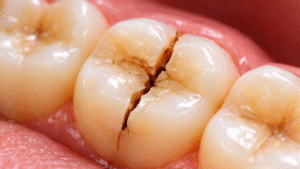
This may include damaged teeth, missing teeth, gum disease, worn enamel, bite problems, failing dental work, or discomfort when chewing. Since these issues often affect one another, treating one tooth at a time may not be enough.
At brush365, full mouth reconstruction starts with a comprehensive evaluation. The purpose is to understand the full condition of your teeth, gums, bite, and existing dental work so your treatment plan is organized, practical, and built around long-term oral health.
What Full Mouth Reconstruction Means
Full mouth reconstruction may be recommended when multiple dental problems need to be addressed in the right order. Some patients come in with broken or worn teeth. Others have missing teeth, older dental work that is failing, gum disease, tooth grinding damage, or a bite that no longer feels stable.
The process begins with diagnosis. Your dentist needs to understand what caused the damage before recommending treatment. For example, a broken tooth may need a crown, but if grinding or bite imbalance caused the tooth to break, that needs to be considered too. Otherwise, new dental work may face the same pressure that damaged the old dental work.
This is what makes full mouth reconstruction different from a single procedure. The dentist looks at how the teeth, gums, bite, jaw, and restorations work together before building the plan.
Why More Than One Procedure May Be Needed
Dental problems rarely happen in isolation. Missing teeth can cause nearby teeth to shift. Gum disease can weaken the foundation needed for long-term dental work. Worn enamel can change the bite. A painful tooth may also be connected to infection, decay, or bite pressure.
A full mouth reconstruction plan may include crowns to rebuild and protect damaged teeth, dental implants to replace missing teeth, or gum treatment to improve the foundation that supports the teeth. The exact plan depends on what is healthy, what needs repair, what needs replacement, and what can be maintained.
Not every patient needs every procedure. Some patients need a few targeted steps. Others need a more comprehensive plan completed in stages.
Why the Order of Treatment Matters
Sequencing is one of the most important parts of full mouth reconstruction. Some steps need to happen before others for treatment to last.
Active infection should be treated before final restorations are placed. Gum disease should be stabilized before crowns or implants are completed. Teeth that cannot be restored may need to be addressed before replacement options are planned. Bite concerns may need to be considered early so new dental work is not placed under harmful pressure.
This staged approach helps patients understand what needs attention first, what can wait, and how each step supports the next. It also makes the process easier to follow when the treatment plan includes several procedures over time.
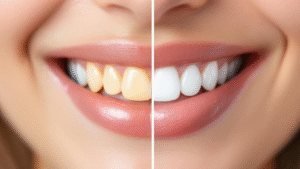
The final result should support more than appearance. It should help you chew comfortably, protect weakened teeth, replace missing teeth, improve stability, and make daily oral care easier to maintain through ongoing full-service dental care.
Start With a Comprehensive Consultation at brush365
Full mouth reconstruction can feel overwhelming at first, but the first step is simply understanding what is happening and what options are available.
brush365 provides comprehensive dental evaluations, digital imaging, and personalized treatment planning for patients who may need more than one procedure. Your dentist will walk through the findings, explain what needs attention first, and recommend a plan that supports long-term oral health and function.
If you’re in Arlington, you can visit our Arlington dental studio, contact us, or schedule a consultation.
We’ll help you understand your treatment options and create a clear, step-by-step plan for restoring your smile.