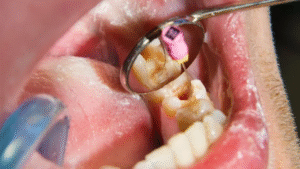
Dental Cleaning Near Me in Arlington: Preventing Bigger Dental Problems Early

Routine dental cleanings are often viewed as maintenance appointments. They are scheduled regularly, rarely feel urgent, and because of that, are easy to postpone. What is less visible is how strongly these visits influence long-term oral health, structural stability, and overall treatment costs.
Preventive care is not simply about removing surface stains. It is about identifying small changes early, before they become structural problems. When cleanings and exams are consistent, treatment decisions tend to remain conservative and predictable rather than reactive.
What Routine Cleanings Actually Address
Professional cleanings remove plaque and hardened tartar that cannot be eliminated through brushing and flossing alone. Even with consistent home care, buildup develops in areas that are difficult to reach, particularly around the gumline and between teeth. Over time, this accumulation contributes to inflammation and decay.
- Preventive visits also allow for evaluation of:
- Early-stage cavities before they expand
- Gum inflammation before it progresses
- Small fractures in fillings or crowns
- Bite patterns that may contribute to uneven wear
- Signs of grinding or structural stress
Many dental problems develop gradually and without noticeable discomfort in the early stages. A cavity does not usually cause pain until it has extended deeper into the tooth. Gum inflammation may remain mild before progressing into more advanced disease. Identifying these conditions during routine visits allows for intervention while treatment remains straightforward.
Early detection also provides an opportunity to monitor changes over time. When minor wear, hairline cracks, or restoration margins are observed early, they can be managed before they lead to fracture or infection.
How Preventive Care Reduces Long-Term Cost and Complexity
The difference between early detection and delayed treatment can be significant. A small cavity identified during a routine cleaning may require a simple filling. If decay progresses deeper into the tooth, treatment may involve root canal therapy followed by a crown. The structural and financial difference between those stages is considerable.
Gum health follows a similar pattern. Early gingivitis is typically reversible with improved hygiene and professional care. Advanced periodontal disease requires more intensive therapy and may lead to bone loss that cannot be fully restored.
Routine cleanings also provide ongoing evaluation of existing restorations. Addressing minor wear or leakage early reduces the likelihood of fracture, reinfection, or replacement. Small adjustments made consistently often prevent larger procedures later.
Most PPO plans cover preventive cleanings at a high percentage because early intervention lowers long-term claims. For patients without insurance, regular maintenance remains more predictable financially than emergency or advanced restorative treatment. Preventive care tends to protect both oral health and budget stability over time.
If you are looking for a dental cleaning near you, schedule a preventive appointment at brush365. Consistent professional cleaning and evaluation remain the most reliable way to reduce the likelihood of larger procedures and keep your dental care simple and manageable.