Can You Need a Root Canal in Allen Without Tooth Pain?

A root canal is often associated with a severe toothache, which can make the recommendation confusing when the tooth feels completely normal.
In some cases, the problem is developing inside the tooth without causing obvious symptoms. The nerve may no longer be responding normally, or an infection may be forming around the root even though there is no pain, swelling, or sensitivity.
Dentists use the examination, X-rays, and pulp testing together to understand what is happening inside the tooth. At brush365, those findings are reviewed before root canal treatment is recommended so patients understand why treatment may be necessary even when nothing hurts.
Why a Tooth Can Have a Problem Without Causing Pain
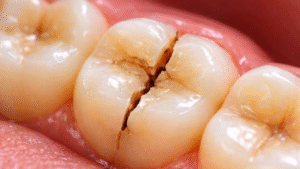
Inside each tooth is pulp tissue containing nerves and blood vessels. Deep decay, a large restoration, a crack, or previous trauma can damage that tissue over time.
Sometimes an inflamed nerve causes significant sensitivity or pain. In other cases, the pulp gradually loses vitality and eventually stops responding. A tooth that once felt sensitive may even become comfortable again because the nerve is no longer functioning normally.
Bacteria can still remain inside the tooth and affect the tissues around the root.
This can also happen slowly enough that the patient notices very little. Previous dental trauma is one example. A tooth injured during a fall, sports accident, or other impact may appear stable for months or years before internal changes become visible on an X-ray or during testing.
For that reason, how a tooth feels is only one part of the diagnosis.
How Dentists Determine Whether a Root Canal Is Necessary
When there is little or no pain, the dentist looks for other signs of pulp damage or infection.
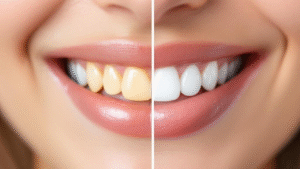
Digital X-rays may show changes in the bone around the root. A tooth may have darkened compared with the surrounding teeth, developed a small recurring bump on the gum, or stopped responding normally to temperature testing. Deep decay or an older restoration may also provide clues about how the pulp became compromised.
The dentist may combine several findings before making a recommendation. An unusual X-ray by itself does not automatically mean the tooth needs treatment, and one abnormal test may need to be interpreted alongside the rest of the examination.
If root canal therapy is recommended, the procedure removes damaged or infected pulp from inside the tooth. The canals are cleaned, disinfected, filled, and sealed. The tooth is then restored so the remaining structure can continue to handle normal chewing forces.
Depending on how much tooth structure remains, that restoration may involve a filling or a crown. brush365 also provides access to board-certified endodontists for root canal treatment and can coordinate restorative care afterward, including same-day crowns for appropriate cases.
Patients who want to understand specialist care can also read about the difference between an endodontist and a general dentist for root canals.
Why Waiting for a Toothache Can Make Treatment Harder
A painless infection can still progress. Bacteria inside the root canal system may continue affecting the bone and tissues around the tooth even while the patient feels fine. Over time, the area can develop swelling, an abscess, tenderness, or sudden pain.
Our guide to when a tooth infection becomes a dental emergency explains why changes such as swelling deserve prompt attention.
Waiting until symptoms become severe can also allow additional damage to develop around a tooth that may have been more straightforward to treat earlier.
If you have been told you need a root canal and are unsure why because the tooth does not hurt, ask to review the X-rays, testing, and diagnosis with your dentist. Understanding what was found can make the recommendation much easier to evaluate.
If you would like the tooth assessed, schedule an evaluation at our Allen dental studio. We can review the findings, explain whether root canal treatment is appropriate, and discuss the next steps for preserving the tooth.