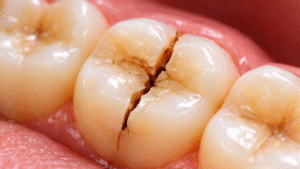
Endodontist vs General Dentist for Root Canals in Frisco

Root canal treatment is performed to remove infection from inside a tooth and preserve the remaining structure. While the procedure itself is common, the level of technical difficulty can vary significantly depending on the anatomy of the tooth, the location in the mouth, and the extent of infection or structural damage.
Choosing between a general dentist and an endodontist is not about preference or hierarchy. It is about matching the complexity of the case to the appropriate level of training, experience, and equipment. When that alignment is thoughtful, long-term outcomes tend to be more predictable.
Understanding the Difference in Training and Scope
General dentists are trained to diagnose infection and perform root canal therapy. Many routine cases can be completed successfully in a general practice setting, particularly when canals are accessible, the anatomy is straightforward, and the infection is identified early.
Endodontists complete additional years of specialty training focused specifically on diseases of the pulp and root canal systems. Their daily clinical work centers almost entirely on root canal therapy, retreatment, and management of complex internal tooth anatomy. That concentrated focus becomes especially relevant in cases involving:
- Molars with multiple or sharply curved roots
- Teeth requiring retreatment after a prior root canal
- Calcified or narrowed canals that are difficult to locate
- Dental trauma involving root fractures
- Persistent infection despite earlier intervention
Specialists commonly use high-magnification operating microscopes and advanced three-dimensional imaging to identify fine canal structures that may not be visible through standard techniques. In complex anatomy, small additional canals or subtle branching patterns can influence whether infection is fully removed. That level of visualization can directly affect long-term stability.
Matching the Case to the Right Level of Care
Not every root canal requires referral. Many teeth can be treated predictably by a general dentist, especially when infection is addressed early and structural damage is limited. The key is not who performs the procedure, but whether the case has been evaluated thoroughly.
Imaging and clinical examination help determine whether the tooth presents risk factors for missed canals, complicated root morphology, or incomplete disinfection. These variables influence both immediate treatment planning and long-term success.
Retreatment is often more technically demanding and more costly than initial therapy. For that reason, appropriate case selection from the beginning is an important part of responsible care. The objective of root canal treatment is not simply to relieve discomfort, but to preserve the tooth in a way that remains stable and functional over time.
Determining whether treatment should be completed in-house or managed by an endodontist should be part of the initial evaluation process, not an afterthought.
If you have been advised that you need a root canal, schedule an evaluation with brush365 today so we can assess the anatomy, review imaging carefully, and determine the most appropriate treatment path for your situation.