What Does a Cavity Look Like? A Complete Guide to Identifying Tooth Decay
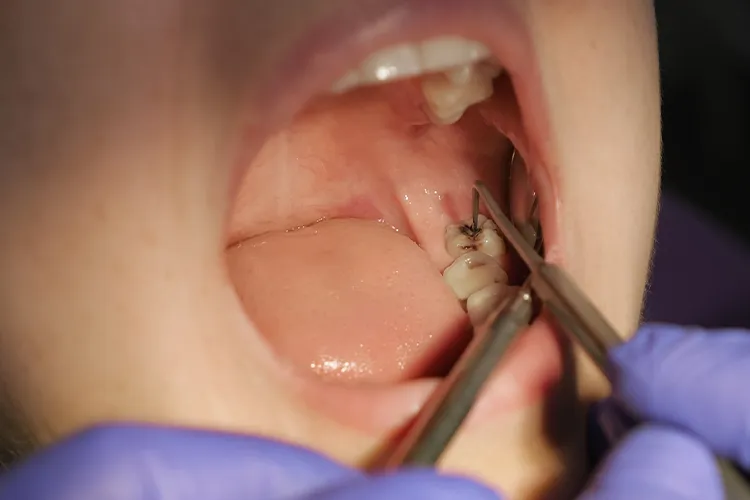
A cavity doesn’t always start as a visible hole in your tooth. In its earliest stage, a cavity may appear as a small white spot, and over time, it can progress into brown or black discoloration, visible pits, or painful tooth damage. Understanding what a cavity looks like helps you catch tooth decay early and protect your oral health.
Overview
What is a cavity?
A cavity (also called dental caries or tooth decay) is permanent damage to the hard surface of your tooth caused by bacteria, acids, and plaque buildup. When plaque isn’t removed, it produces acids that slowly wear down tooth enamel and create holes in the tooth.
Some cavities, especially those between teeth or under the gumline, may not be visible without dental X-rays.
Here at brush365, we often remind patients that not all cavities are visible or painful at first. That’s why regular dental checkups and early evaluation are important, especially if you notice changes in tooth color, sensitivity, or texture.
Contact brush365 for emergency dental care today!
Diagnosis and Tests

How are cavities diagnosed?
Dentists diagnose cavities using a combination of:
Because early cavities don’t always cause pain, routine dental checkups are essential for early detection.
Management and Treatment
Treatment depends on the size and severity of the cavity:
-
Fluoride treatments
Can help reverse very early enamel damage
-
Dental fillings
Used when decay has created a small to moderate hole
-
Crowns
Recommended when large portions of the tooth are damaged
-
Root canal therapy
Needed if decay reaches the tooth pulp
-
Tooth extraction
Required in severe cases when the tooth can’t be saved
Early treatment prevents pain, infection, and tooth loss.

Prevention
You can reduce your risk of cavities by practicing good oral hygiene habits:
Preventive care is the most effective way to avoid tooth decay altogether.


When to See a Dentist
If you notice:
You should schedule a dental appointment as soon as possible. Catching cavities early can save your tooth and reduce treatment costs.