Teeth Clenching at Night: Causes, Symptoms, and How to Stop It
Do you wake up with jaw pain, headaches, or sensitive teeth? You may be experiencing teeth clenching at night, a common condition also known as nighttime bruxism. Left untreated, clenching can cause serious dental damage and chronic discomfort.
Overview
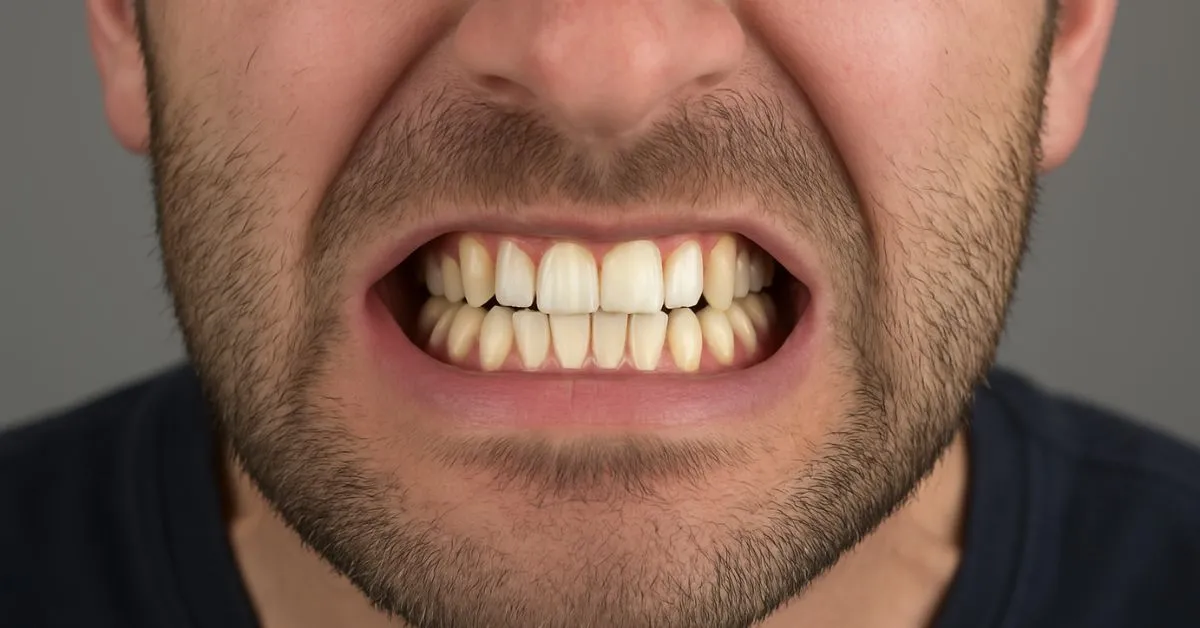
Teeth clenching is the involuntary tightening of the jaw muscles, often occurring during sleep. Unlike grinding, clenching doesn’t always involve movement, making it harder to notice, but just as harmful.
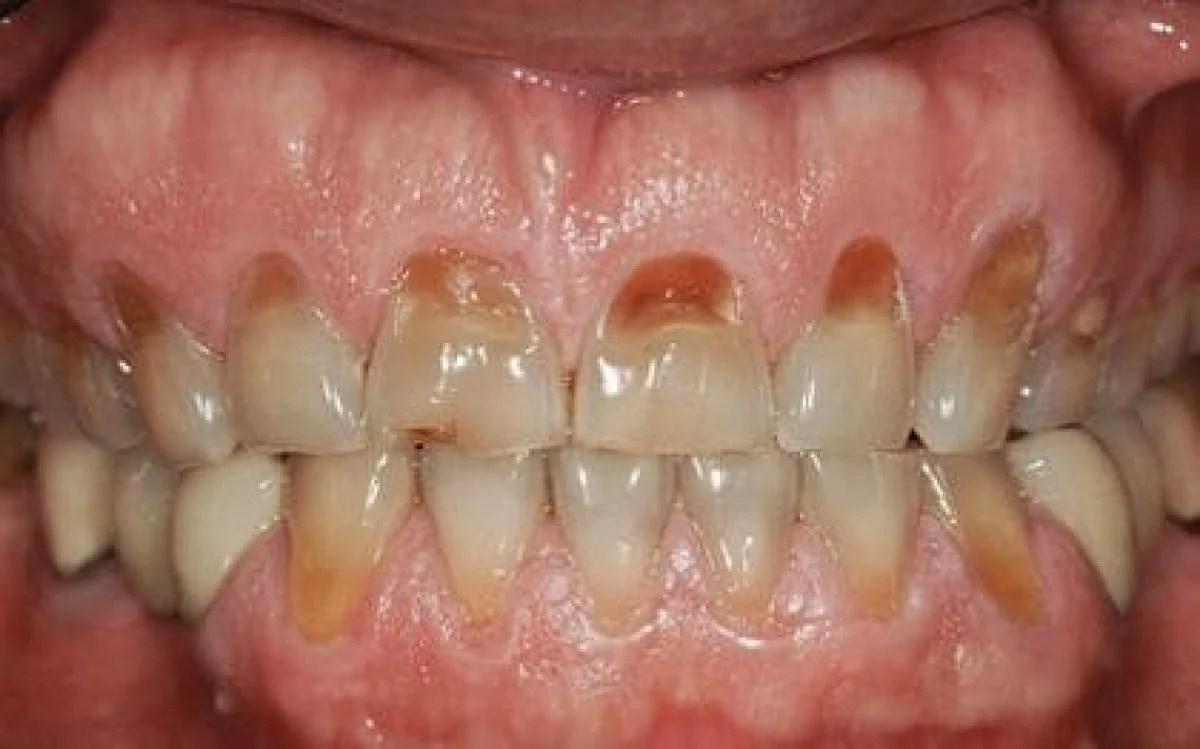
Over time, jaw clenching while sleeping can lead to:
-
Tooth wear or fractures
-
Jaw pain or stiffness
-
Headaches and facial soreness
-
TMJ disorders
Here at brush365, we often see patients who are unaware they clench until damage or pain appears, which is why early evaluation is important.
Common Causes of Nighttime Teeth Clenching
Teeth clenching at night is usually linked to a combination of factors, including:
-
Stress and anxiety
-
Sleep disorders (such as sleep apnea)
-
Bite misalignment
-
Caffeine or alcohol use
-
Certain medications
Understanding the cause is key to choosing the right bruxism treatment.
How to Stop Clenching at Night
If you’re wondering how to stop clenching at night, here are the most effective solutions:
-
1. Wear a Custom Night Guard
A professionally fitted night guard protects your teeth and reduces pressure on your jaw muscles while you sleep.
-
2. Reduce Stress Before Bed
Stress is one of the biggest triggers of nighttime teeth clenching. Try:
-
Deep breathing or meditation
-
Stretching your jaw and neck
-
Avoiding screens before bedtime
-
-
3. Improve Sleep Habits
Good sleep hygiene can reduce jaw clenching while sleeping:
-
Maintain a consistent sleep schedule
-
Avoid caffeine or alcohol at night
-
Sleep on your back with proper pillow support
-
-
4. Correct Bite Issues
If clenching is caused by misaligned teeth, dental treatment such as bite adjustment or orthodontics may help reduce symptoms.
-
5. Get a Professional Dental Evaluation
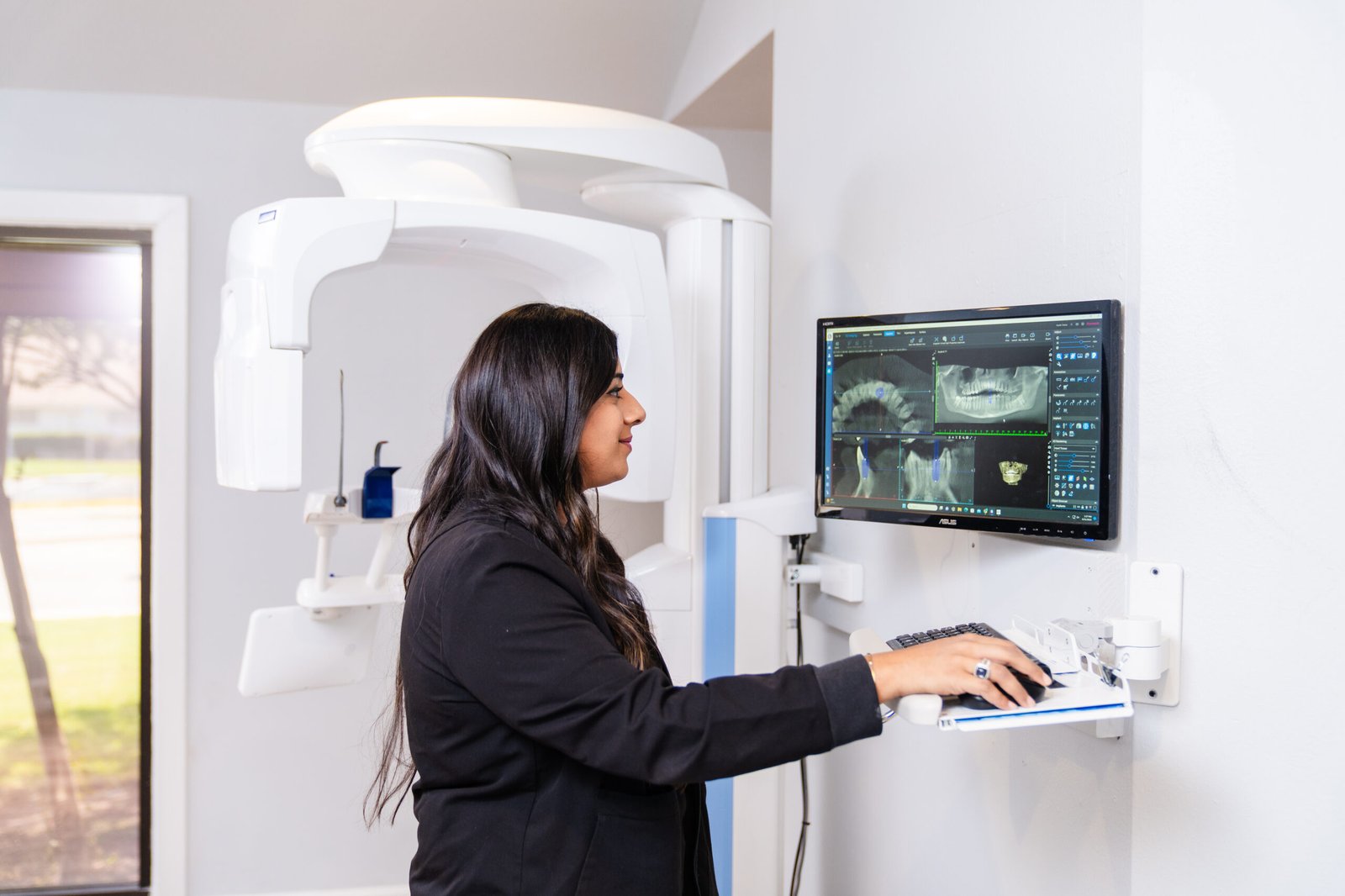
Persistent clenching should always be evaluated by a dentist to prevent long-term damage.

When Should You See a Dentist?
You should schedule a dental visit if you experience:
Early treatment can prevent costly dental repairs and chronic TMJ issues.

Prevention Tips
While not all clenching can be prevented, you can reduce your risk by: