How Dental Cleaning Works - The Complete Guide to a Healthy Smile
Professional dental cleaning is one of the simplest and most effective ways to protect your teeth and gums. Learn how dental cleaning works, the different types of cleanings, and why routine visits play a key role in long-term oral health.
Overview
What Is Dental Cleaning?
A dental cleaning, also called prophylaxis, is a preventive oral health procedure performed by a dental hygienist or dentist. Its main goal is to remove plaque, tartar (hardened plaque), and bacteria from your teeth surfaces to maintain oral health and prevent disease.
Types of Dental Cleaning
Not all dental cleanings are the same. The type recommended depends on your oral health:
Your dentist will recommend the most appropriate option based on your exam.
How Often Should You Get Dental Cleaning?
Most people benefit from a professional dental cleaning every six months. However, patients with gum disease, heavy plaque buildup, or certain medical conditions may need more frequent cleanings.
Here at brush365, we remind patients that dental issues don’t always cause pain or obvious symptoms early on. Plaque buildup, tartar, and early gum disease can develop quietly, which is why regular dental cleanings and routine checkups are so important, especially if you notice changes in tooth color, sensitivity, or texture.
Contact brush365 for emergency dental care today!
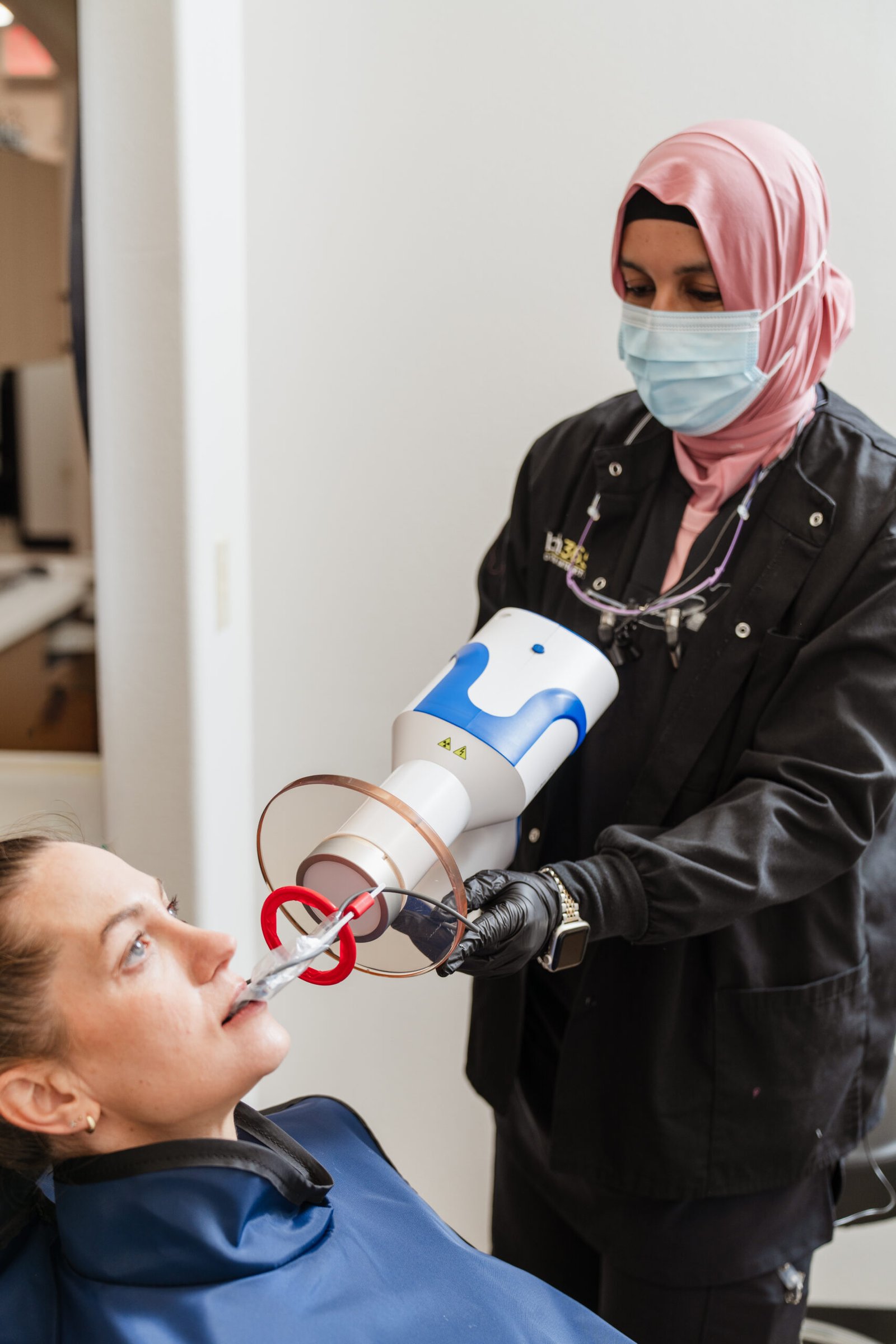

How Dental Cleaning Works: Step-by-Step
A typical dental cleaning appointment includes:
-
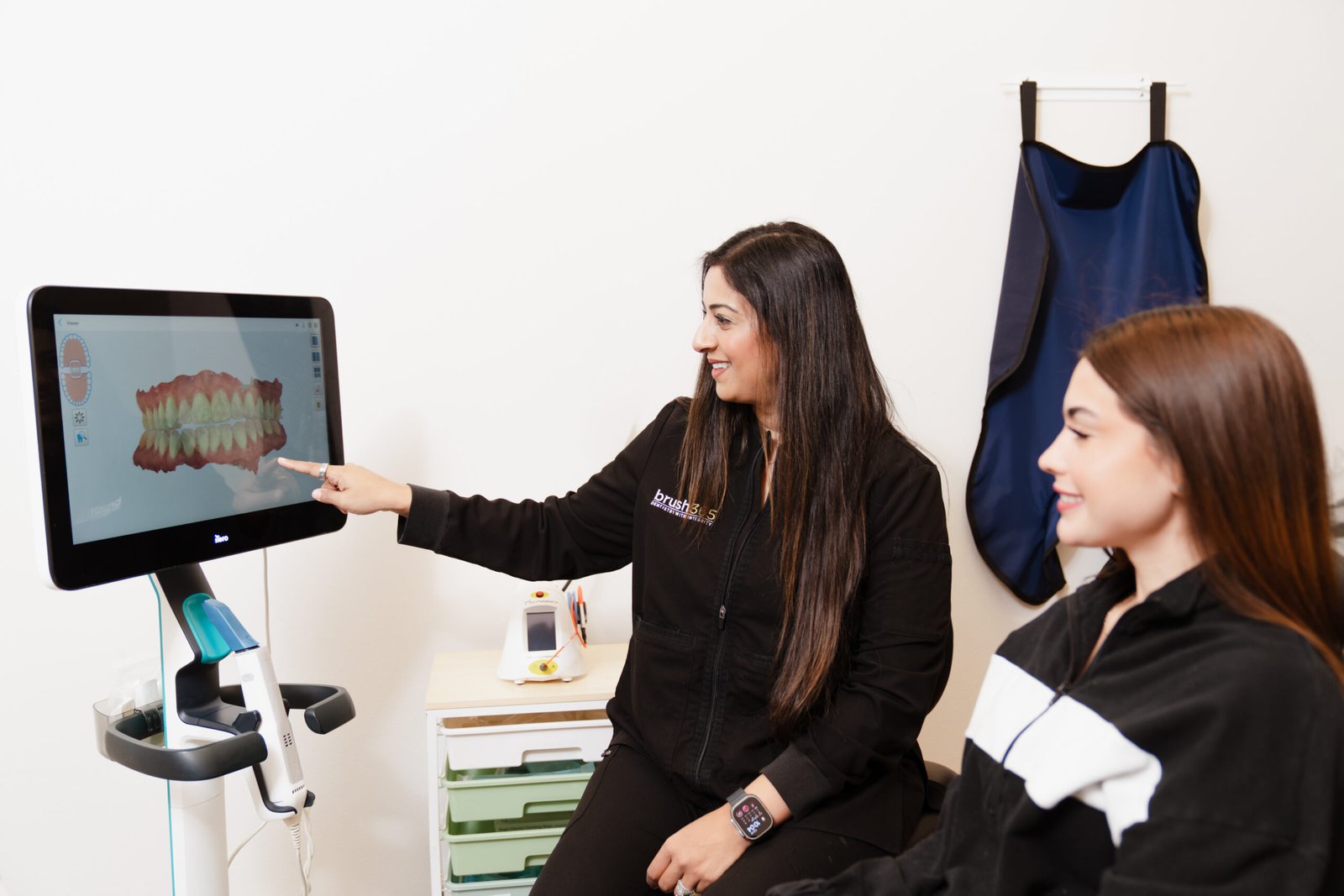
Oral Examination – Checking teeth and gums for decay, inflammation, or infection
-
Plaque & Tartar Removal (Scaling) – Specialized tools remove buildup from teeth and gumlines
-
Polishing – A professional polish smooths tooth surfaces and removes surface stains
-
Flossing – Deep flossing removes debris between teeth
-
Fluoride Treatment (Optional) – Helps strengthen enamel and prevent cavities
The process usually takes 30–60 minutes, depending on the amount of buildup.
Benefits of Dental Cleaning
Are There Any Risks?
Dental cleanings are very safe. Some patients may experience:
These effects typically resolve within a day or two.
What to Expect After Dental Cleaning
Most patients return to normal activities immediately. Your teeth may feel smoother and cleaner, and gums may be slightly sensitive for a short time.
With regular dental cleanings and good at-home oral hygiene, patients can significantly reduce their risk of cavities, gum disease, and costly dental procedures in the future.


When to See a Dentist
You should schedule a dental visit if you experience:
Routine dental cleanings are not just about clean teeth, they are essential for maintaining overall oral health.