Why Is My Tongue Still White After Scraping?
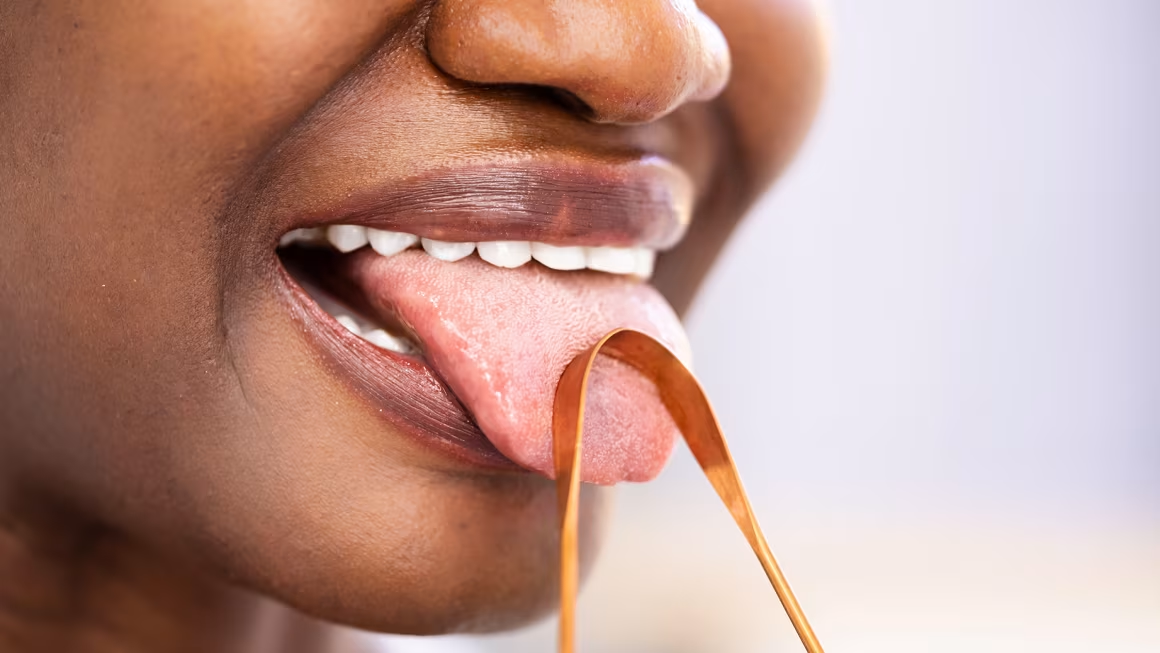
Noticing that your tongue is still white even after scraping can be frustrating and a little concerning. Tongue scraping is a helpful oral hygiene habit, but if the white coating keeps coming back, it may be a sign that something else is going on. Understanding the causes can help you treat the issue properly and know when it’s time to see a dentist or doctor.
Overview
What Does a White Tongue Mean?
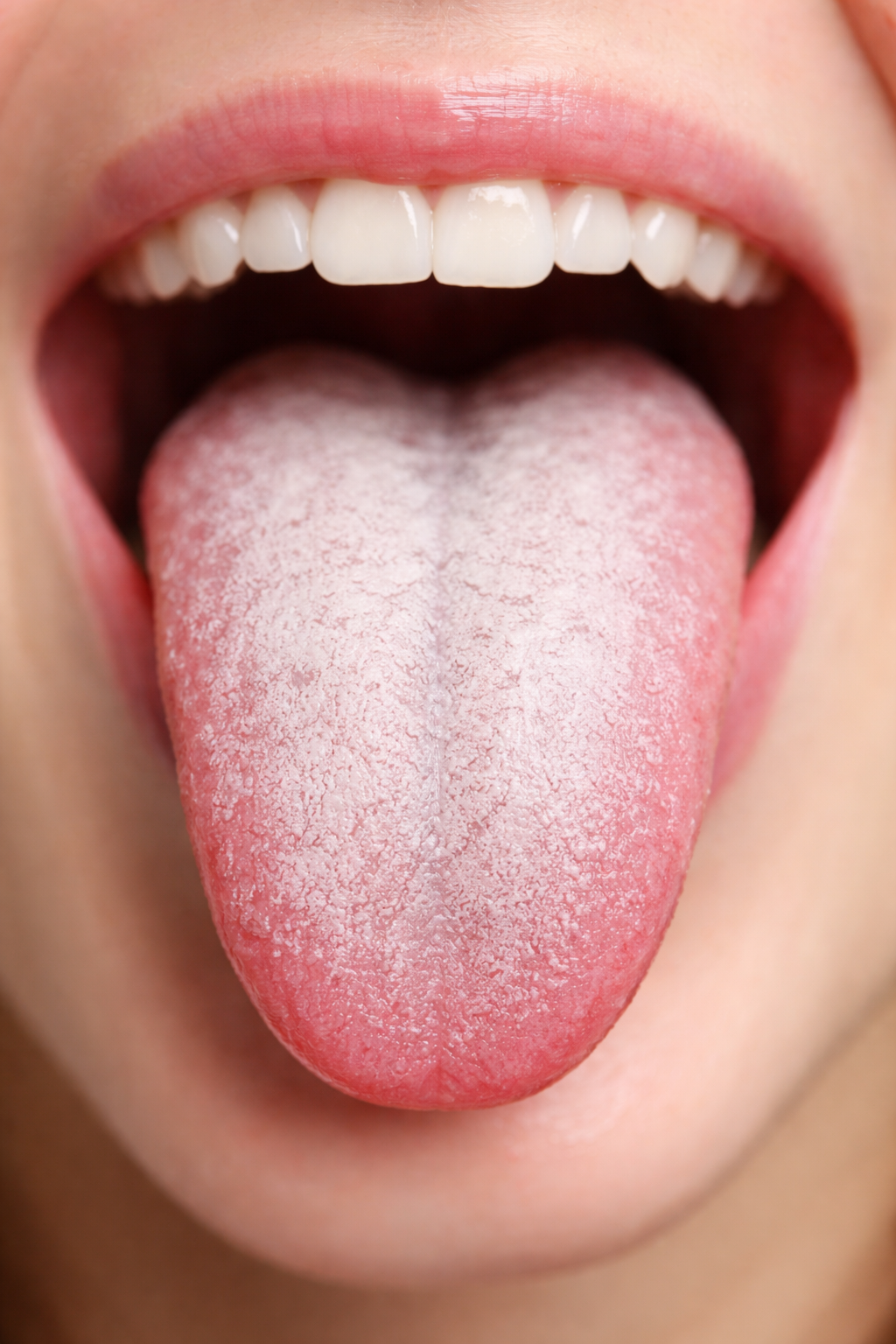
A white tongue usually occurs when bacteria, food debris, and dead cells build up on the surface of the tongue. This buildup can cause the tongue to look coated, pale, or patchy white. In many cases, it’s harmless and temporary, but persistent whiteness may point to an underlying issue.
Is It Normal for the Tongue to Stay White After Scraping?
Yes, sometimes. Tongue scraping removes surface debris, but it doesn’t always address the root cause. If bacteria continue to accumulate or if there’s an infection or medical condition involved, the tongue may remain white even after scraping.
Common Reasons Your Tongue Is Still White
-
Built-Up Bacteria and Debris
The tongue’s rough surface can trap bacteria and dead cells. If scraping is too gentle, inconsistent, or done incorrectly, residue may remain and quickly return.
-
Dry Mouth and Dehydration
Saliva helps wash away bacteria. When you’re dehydrated or have dry mouth, bacteria can accumulate more easily, leading to a white tongue that scraping alone can’t fix.
-
Oral Thrush (Yeast Infection)
Oral thrush is a fungal infection that causes thick white patches on the tongue and inner cheeks. Unlike a simple coating, these patches may be difficult or painful to remove.
-
Poor Oral Hygiene Habits
Skipping brushing, flossing, or regular dental visits can allow bacteria to spread throughout the mouth, including the tongue.
-
Smoking, Vaping, or Tobacco Use
Tobacco products irritate oral tissues and promote bacterial growth, often causing persistent tongue discoloration.
-
Diet, Medications, and Alcohol
Sugary foods, excessive alcohol, antibiotics, and inhaled steroids can disrupt the mouth’s natural balance, encouraging bacterial or fungal overgrowth.
-
Medical Conditions Linked to White Tongue
Conditions such as diabetes, weakened immune systems, or digestive issues can contribute to ongoing tongue discoloration.
White Tongue Conditions to Be Aware Of
-
Coated Tongue
A common and usually harmless condition caused by debris buildup. It often improves with better oral hygiene and hydration.
-
Oral Thrush
Characterized by thick, creamy white patches that may bleed if scraped. This requires antifungal treatment.
-
Leukoplakia
White patches that cannot be scraped off and may be linked to chronic irritation or tobacco use. These should always be evaluated by a dental professional.
-
Geographic Tongue
An inflammatory condition that causes irregular patches, sometimes surrounded by white borders. It’s harmless but may look concerning.
-
White Patches vs. Tongue Film
A thin film is often hygiene-related, while firm patches may signal infection or other conditions.
How to Get Rid of a White Tongue Effectively

Proper Tongue Scraping Technique
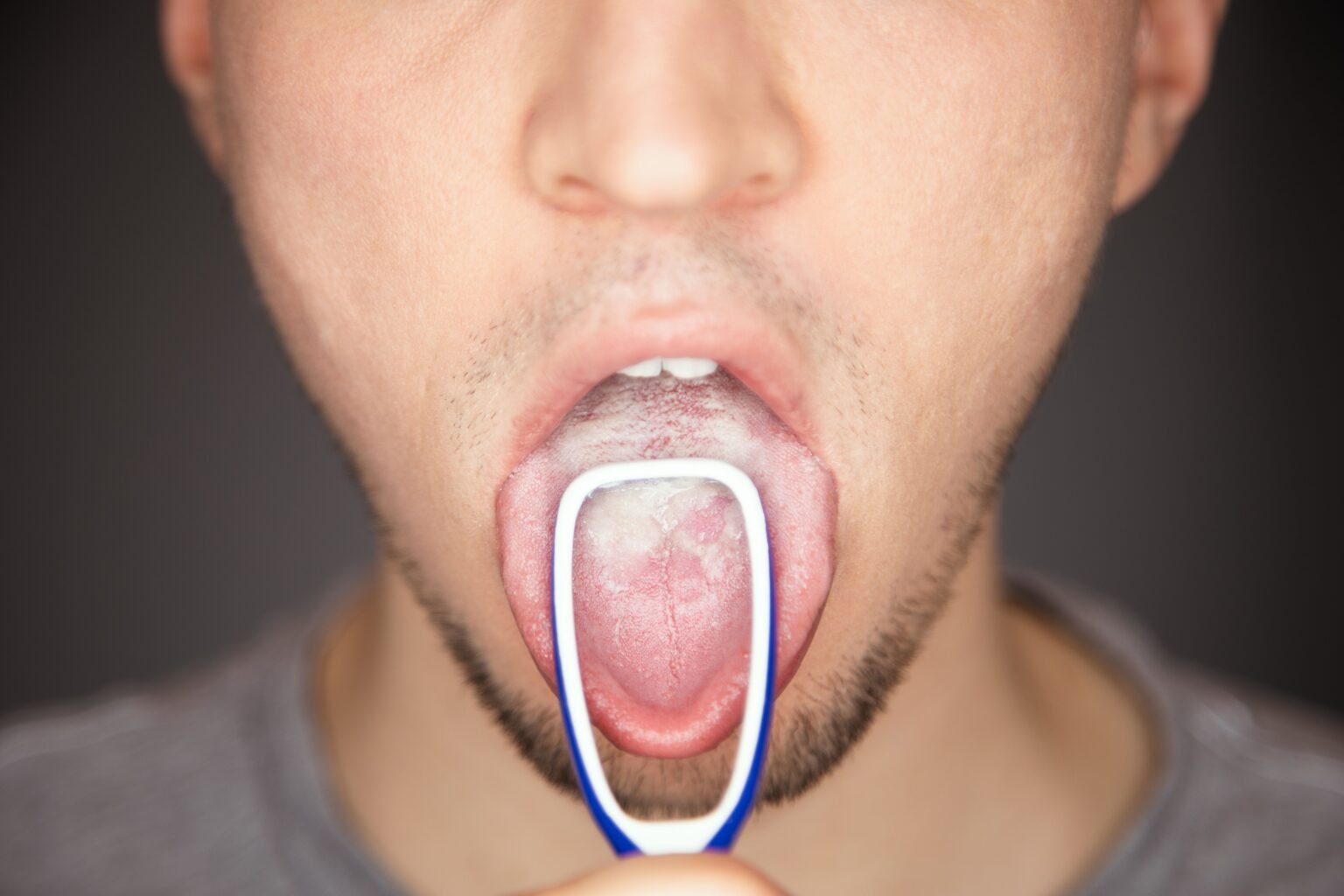
Use a gentle scraper, start from the back of the tongue, and pull forward with light pressure. Rinse the scraper between strokes and avoid scraping too hard.
Best Oral Hygiene Routine for a Healthy Tongue
-
Brush teeth twice daily
-
Floss once daily
-
Scrape the tongue once or twice a day
-
Use a non-irritating mouthwash
At-Home Remedies That May Help
Hydration and Saliva Production
Drink plenty of water and chew sugar-free gum to stimulate saliva.
Saltwater Rinses
Saltwater can reduce bacteria and soothe irritation.
Probiotics and Diet Changes
Reducing sugar and adding probiotic-rich foods may help restore a healthy balance in the mouth.
Signs Your White Tongue Needs Medical Attention
-
White patches that won’t come off
-
Pain, burning, or soreness
-
Bleeding when scraping
-
Symptoms lasting more than two weeks
Possible Risks of Leaving a White Tongue Untreated
Ignoring persistent white tongue may allow infections to worsen or delay diagnosis of underlying health conditions.
How to Prevent a White Tongue from Coming Back
Daily Oral Care Tips
Maintain consistent brushing, flossing, and tongue cleaning. Replace your toothbrush regularly and clean your tongue scraper after each use.
Lifestyle Changes That Support Tongue Health
Avoid tobacco, limit alcohol, manage dry mouth, and eat a balanced diet rich in fruits and vegetables.


When to See a Dentist
You should schedule a dental visit if:
A dentist can identify the root cause and prevent more serious oral health problems.